When did you last think about how money actually came to be? For children, this is a fascinating topic that can be the key to understanding financial literacy. Let's embark on a journey together through the history of money - from simple goods exchange to modern digital currencies.
The Beginning of Trade: A World Without Money
Imagine a world where no money exists. How would you shop? That's exactly how it worked thousands of years ago. People used the barter system - they simply exchanged goods. A farmer gave a baker flour in exchange for bread, a fisherman traded fish for vegetables.
You can easily explain this story to children:
- "Imagine you have a toy you don't want anymore, and your friend has a book you like"
- "You can swap them - that's exactly barter!"
- "This is how people did it when there was no money yet"
The problem with barter, however, was that not everyone always wanted exactly what you had to offer. What if the baker didn't need flour but needed new shoes?
The First "Money": When Shells Became Treasure
Gradually, people discovered that some objects were useful to everyone. This gave birth to the first forms of money:
- Shells - easily portable and hard to counterfeit
- Stones - especially on Pacific islands
- Livestock - cows and sheep had value for everyone
- Salt - rare and essential for preserving food
- Cocoa beans - used by the Aztecs and Mayans
It's interesting for children to know that the word "salary" actually comes from the word "salt" - because soldiers were once paid with salt!
How to Explain Value to Children
"Why did these things have value?" your child might ask. Simply: they were rare, useful, and everyone wanted them. Just like today everyone wants money because they can buy anything they need with it.
Metal Money: Revolution in Trading
About 3,000 years ago, a big change happened. People began using metals as money - first gold, silver, and copper. Why metals specifically?
- They were durable - they wouldn't spoil
- They could be divided into smaller parts
- They had consistent quality
- They were hard to imitate
The first coins appeared around 650 BC in Lydia (modern-day Turkey). They bore the king's seal, which guaranteed their authenticity and value.
Activity for Children
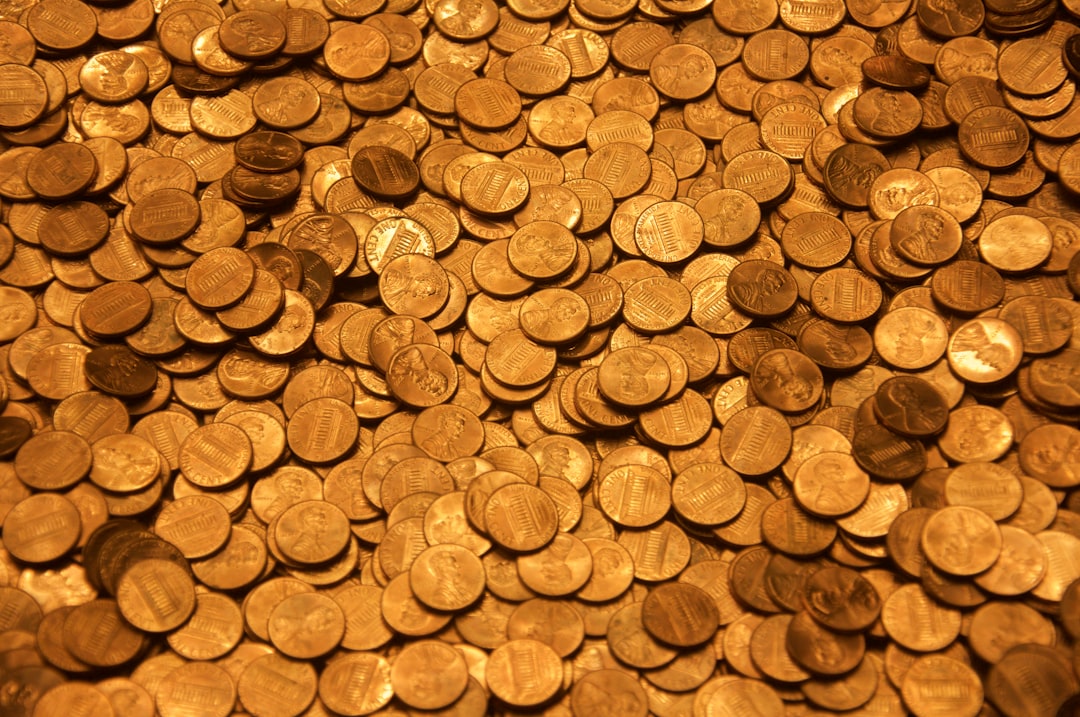
Try collecting different coins with your children and look at their symbols. On euro coins, you'll find various national symbols like the Austrian edelweiss, Italian Colosseum, or German eagle. Each symbol has its own story!
Paper Money: Chinese Invention Changes the World
Around the 10th century, the Chinese invented something revolutionary - paper money. Why? Gold and silver were heavy and dangerous to carry. Paper banknotes were lighter and more practical.
Paper money reached Europe only in the 17th century. People initially distrusted "just paper," but gradually got used to it because the bank guaranteed that they could exchange the note for gold.
The Modern Era: From Gold Standard to Digital Money
In the 20th century, something important happened - money completely disconnected from gold. You can no longer go to a bank and say: "I want gold for this banknote." The value of money is now based on trust in the country and its economy.
The Digital Revolution
Today we often don't even use paper money. We pay with cards, phones, or online. For children, this is natural - they see how parents tap their card at the checkout.
- Payment cards - money is stored in the bank
- Mobile payments - the phone becomes a wallet
- Online banking - we send money through computers
Cryptocurrency: The Future of Money?
The newest chapter in the history of money is cryptocurrency like Bitcoin. For children, we can explain cryptocurrency as "computer money" that exists only on the internet but has real value.
Cryptocurrencies are interesting because:
- No bank or government controls them
- They're protected by special code
- You can send them anywhere in the world
- Their quantity is limited
What Does This Mean for Our Children?
Our children will grow up in a world where digital money is completely normal. It's important they understand the basics - that money, whether paper or digital, is a medium of exchange based on trust.
Practical Learning with Children
The history of money isn't just an interesting story, but also a great way to teach children financial literacy. You can also use modern tools like the STILL app, which teaches children the basics of money management in a playful way.
Simple Activities for Families:
- Create your own home barter - exchange toys without using money
- Collect coins from different countries - each has its own story
- Play shop - use different "money" (buttons, pebbles)
- Compare prices - how they've changed over the last 20 years
Remember: financial literacy begins with a story. When children understand why money was created and how it evolved, they'll more easily understand how to handle it properly in today's world.
The history of money teaches us that the only constant is change. Our children may use money we can't even dream of. But the basic principles - value, exchange, saving, and sensible spending - remain timeless.