Why Should Children Learn About Interest Rates?
Dear parents, you might think that interest rates are too complicated a topic for your young children. But did you know that basic understanding of this concept can help your children build a healthy relationship with money from an early age? Financial literacy begins with simple concepts that we can explain even to a four-year-old child.
Interest rates influence almost every financial decision in our lives - from savings to investments. When children understand this basic principle, they'll be better prepared for future financial challenges.
What Are Interest Rates - Simply for Children
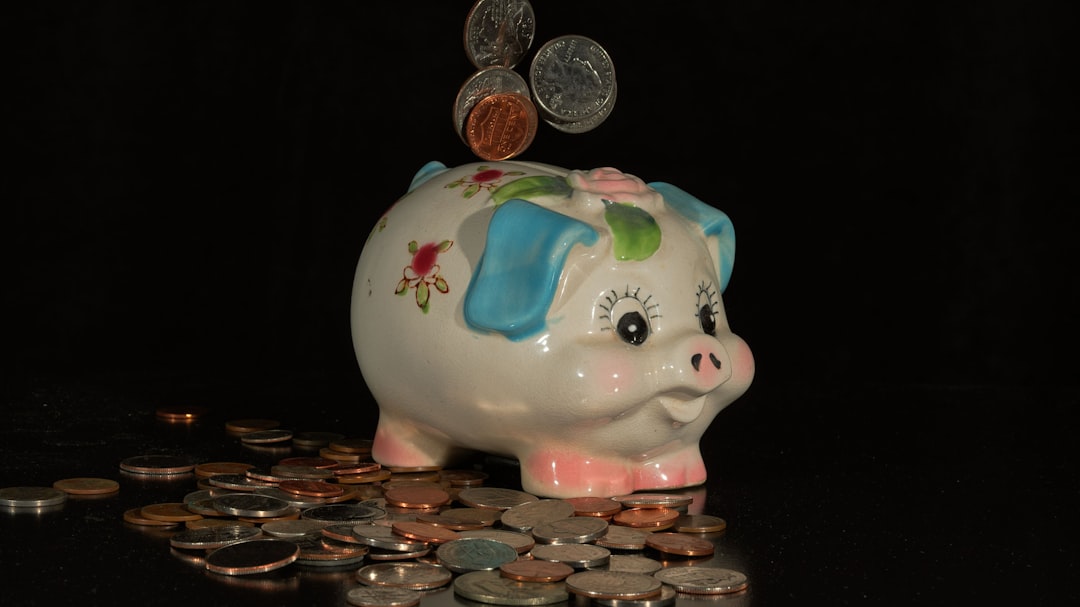
Imagine an interest rate as a "reward for lending money". When your child puts money into their piggy bank or savings account, the bank gives them a small reward for it - that's interest. Conversely, when someone borrows money, they must pay back more than they borrowed.
Practical Example with a Piggy Bank
Tell your daughter Anna (7 years old): "Anna, imagine that your piggy bank is a little bank. When you put $10 in it and leave it there for a year, the piggy bank gives you an extra $1 as a reward. That's interest - a reward for not spending the money right away."
For older children, you can use concrete numbers:
- A 5% interest rate means that from $100, you'll get an extra $5 after a year
- A 2% interest rate means that from $100, you'll get an extra $2 after a year
- The higher the interest rate, the more money you get as a reward
How Interest Rates Affect Investments
Now comes the important part - how interest rates change the value of investments. We can explain this concept to children using a simple analogy.
Analogy with Toys and Candy
Imagine this situation: "Martin, you have $20. You can buy a new toy right now, or wait a year and the bank will give you an extra $2. But if you know that in a year the same toy will cost $25 instead of $20, is it worth waiting?"
This is exactly what happens with investments:
- High interest rates = people prefer saving over investing
- Low interest rates = people invest more because saving doesn't pay much
- Changes in interest rates = change the prices of investments (stocks, bonds)
Practical Activities for Children
The best way to teach children about interest rates is through games and practical experiences. Here are some activities you can try at home:
Playing Bank
Create a home bank where you'll pay interest. If a child saves $5 for a week, they get an extra 20 cents at the end of the month. The STILL app can be a great helper in tracking these children's savings and learning the basics of investing in a fun way.
Comparing Different "Investments"
Show children the differences between:
- Piggy bank (0% interest, but money is safe)
- Savings account (small interest, for example 1%)
- Investment (higher possible gain, but also risk)
- Buying things that grow in value (collectible cards, books)
How to React to Changes in Interest Rates
When interest rates change, it affects our financial decisions. Children can learn basic rules that will help them in the future:
When Interest Rates Rise
- Saving becomes more advantageous
- Borrowing money is more expensive
- Investment prices may fall
- It's good to have more money in savings accounts
When Interest Rates Fall
- Saving brings less money
- Borrowing is cheaper
- Investing may be more advantageous
- People buy houses and cars more often
Building Good Financial Habits
Most importantly, teach children that financial decisions have long-term consequences. Interest rates are just one factor to consider. Children should learn to:
Save small amounts regularly, think before every purchase, understand risk and reward, and plan for the future. The STILL app can help children track their progress and learn these skills in a fun way.
Practical Tips for Parents
Start with simple concepts and gradually add complexity. Use concrete examples from your family's daily life. Let children experiment with small amounts of money. Regularly discuss your family's financial decisions.
Conclusion: Investing in Children's Financial Future
Teaching children about interest rates and investments isn't just about math - it's about building confidence in handling money. When children understand how basic financial principles work, they'll be better prepared for independent living.
Remember that every child learns at their own pace. Be patient, use lots of examples, and most importantly - make learning fun. Your children will thank you for this knowledge in the future.